A solar park (also known as a solar farm or solar power plant) is a large-scale installation of solar panels designed to generate electricity by harnessing the power of the sun. These parks consist of thousands, or even millions, of solar photovoltaic (PV) panels arranged in fields, typically in areas with high sunlight exposure. Solar parks are primarily built to contribute significantly to the power grid, providing renewable energy on a large scale.
Solar park services refer to the range of activities and offerings that support the development, operation, and maintenance of solar power plants. These services are essential to ensuring that solar parks run efficiently and effectively, maximizing energy generation while maintaining cost-effectiveness and sustainability
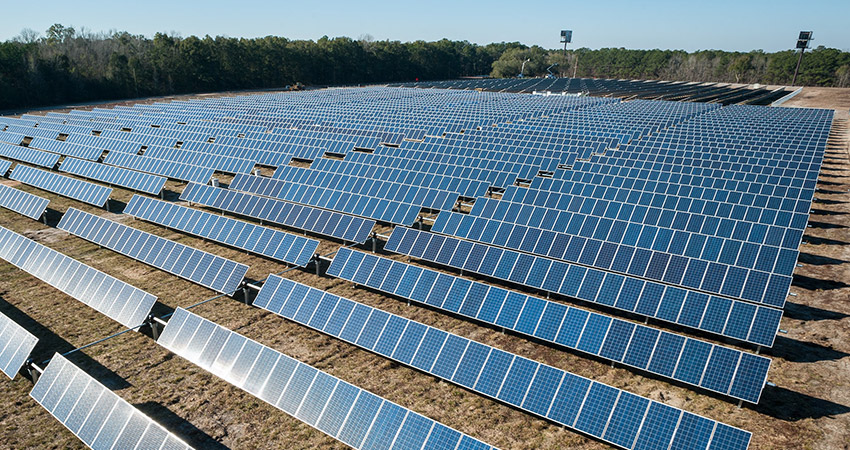
Some of the key services provided by MNM Solar for solar parks include:
1. Design and Engineering Site Assessment and Feasibility Studies: Analyzing the geographic, environmental, and economic conditions to determine the best location for a solar park. System Design: Planning the solar array layout, electrical components (inverters, transformers, etc.), and overall energy generation capacity. Electrical Grid Integration: Ensuring that the solar park’s energy output can be efficiently integrated into the local electrical grid.
2. Procurement and Installation Solar Panel and Equipment Procurement: Sourcing high-quality solar panels, inverters, batteries, mounting structures, and other components. Construction and Installation: Setting up the infrastructure, including panel installation, electrical work, and grid connection.
3. Operation and Maintenance Monitoring and Performance Analytics: Continuous monitoring of energy production, equipment performance, and system health. Cleaning and Panel Maintenance: Regular cleaning of solar panels to remove dust, debris, and other elements that can reduce efficiency. Repairs and Replacements: Addressing technical issues such as faulty panels or inverter malfunctions, and replacing damaged or outdated components. Battery Maintenance (for energy storage): Ensuring the proper functioning of energy storage systems, if applicable.
4. Energy Management and Optimization Energy Storage Integration: Managing energy storage solutions (such as batteries) to store excess energy and release it when solar generation is low. Demand Response: Adjusting energy supply based on grid demand, which may involve smart energy systems to optimize the use of solar energy. Grid Stability and Frequency Regulation: Ensuring that the solar park operates within grid parameters, helping to stabilize the local or national power grid.
5. Regulatory and Compliance Services Permitting and Licensing: Helping developers navigate local, regional, and national regulations to secure permits and licenses required for solar park operations. Environmental Impact Assessment (EIA): Conducting assessments to ensure compliance with environmental standards, minimizing negative impacts on surrounding ecosystems. Grid Connection Agreements: Handling agreements and technical requirements for connecting the solar park to the grid.
6. Project Financing and Investment Capital Raising: Assisting in securing financing for solar park projects, including green bonds, investment funds, or private equity. Government Incentives: Navigating available incentives, rebates, and subsidies for solar energy projects.
7. Upgrades and Modernization
System Upgrades: Incorporating newer technologies to improve efficiency and output, such as bifacial solar panels, higher capacity inverters, or advanced monitoring systems.
Decommissioning and Repowering: Retiring old solar infrastructure and replacing it with more advanced technology when the system reaches the end of its useful life.
These services help solar parks operate at their full potential, ensuring they are profitable, sustainable, and compliant with regulations. As solar energy becomes more mainstream, the range of services will likely continue to grow and evolve to meet the needs of both operators and stakeholders.